 TheBodyBlueprint
Body Composition Science Explained
A comprehensive overview of the scientific principles underlying body composition and tissue structure.
What is Body Composition?
Body composition refers to the relative proportions of different tissue types that make up total body weight. Rather than focusing solely on overall weight, body composition analysis examines the specific contributions of different tissues.
The primary components of body composition are skeletal muscle tissue, bone, adipose tissue (commonly referred to as fat), and water. Each of these tissue types serves distinct physiological functions and responds differently to factors such as nutrition, physical activity, and aging.
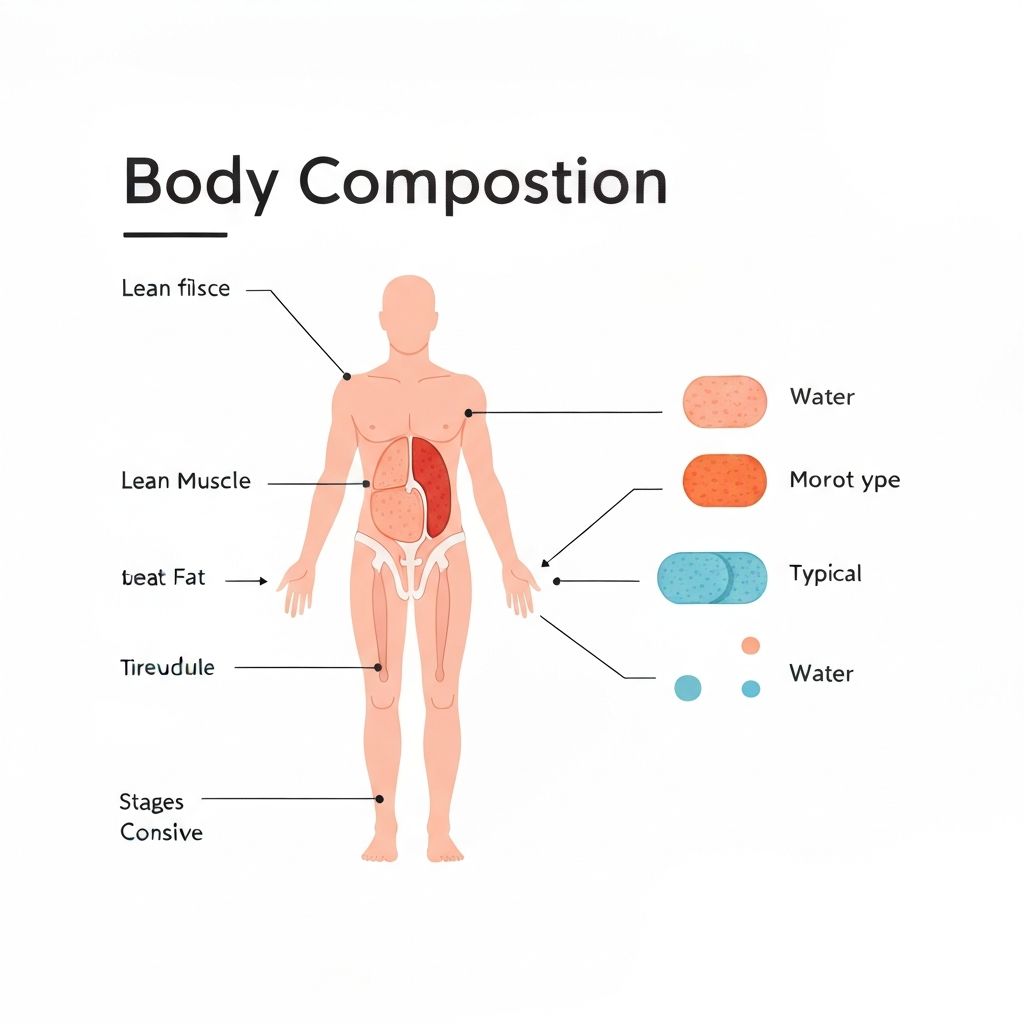
The Four Main Tissue Components
Skeletal Muscle Tissue
Skeletal muscle is the contractile tissue responsible for voluntary movement. It comprises a significant portion of body weight in humans and is metabolically active, meaning it requires energy even at rest. Muscle tissue is composed of protein fibers organized into bundles, with each fiber capable of contracting and generating force.
Muscle tissue responds to physical activity through adaptation processes. Resistance-based movement stimulates muscle protein synthesis and can lead to increased muscle mass. Conversely, reduced physical activity leads to muscle atrophy—the loss of muscle tissue mass and strength. Age-related muscle loss is a natural process but can be mitigated through regular activity and adequate protein intake.
Bone Structure and Remodeling
Bone is a living tissue that undergoes constant remodeling, with old bone being removed and new bone being formed. This process is influenced by mechanical stress from physical activity and by nutritional factors, particularly calcium, phosphorus, and vitamin D.
Bone consists of a mineral matrix (primarily calcium phosphate) embedded in a collagen framework. The density and strength of bone varies throughout life, with peak bone mass typically occurring in early adulthood. Factors including sex, genetics, nutrition, and physical activity influence bone density and fracture risk throughout the lifespan.
Adipose Tissue
Adipose tissue, commonly referred to as body fat, is specialized connective tissue that stores energy in the form of triglycerides. Beyond energy storage, adipose tissue is hormonally active, producing hormones that influence metabolism, inflammation, and reproductive function.
Adipose tissue exists in different depots throughout the body with different metabolic characteristics. Moderate levels of body fat are essential for health; too little adipose tissue can impair hormonal function, while excessive accumulation may contribute to metabolic complications. The relationship between adipose tissue levels and health is complex and influenced by individual factors including genetics, distribution, and metabolic state.
Water
Water comprises approximately 60% of body weight in adults and is critical for cellular function. It serves as a transport medium for nutrients and metabolic waste, participates in metabolic reactions, regulates body temperature through perspiration, and maintains cellular structure through osmotic balance.
Body water is distributed between intracellular (within cells) and extracellular (outside cells) compartments. Adequate hydration is necessary for optimal tissue function, nutrient transport, temperature regulation, and metabolic health. Water balance is maintained through the kidneys and influenced by factors including activity level, climate, and dietary intake.
Factors Influencing Body Composition
Nutrition
Macronutrients (proteins, carbohydrates, fats) and micronutrients (vitamins and minerals) all influence tissue composition. Adequate protein intake supports muscle tissue maintenance and synthesis. Energy balance—the relationship between caloric intake and expenditure—influences changes in overall body weight and composition.
Physical Activity
Different types of physical activity influence tissue composition differently. Weight-bearing activities stress bone, promoting adaptation and density. Resistance activities stimulate muscle tissue adaptation. Cardiovascular activity supports metabolic health and cardiovascular function.
Genetics
Genetic factors influence baseline metabolism, muscle fiber distribution, bone density, and hormonal function. These genetically determined characteristics create individual variation in body composition and response to activity and nutrition.
Age and Hormones
Age influences metabolic rate, muscle mass, bone density, and hormonal function. Hormonal changes throughout the lifespan, including during puberty and aging, influence tissue composition and metabolic characteristics.
Continue Exploring
Return to the blog to explore related articles on nutrition science and the role of movement in structural health.
Back to Blog