 TheBodyBlueprint
Nutrition's Role in Body Tissues
How macronutrients and micronutrients support tissue development and maintenance.
Nutrition and Tissue Health
Nutrition is fundamental to all bodily functions, including the development, maintenance, and repair of tissue structures. The foods we consume provide the raw materials—amino acids, vitamins, minerals, and other compounds—that our bodies use to build and maintain tissues.
Understanding how specific nutrients support different tissues helps explain the importance of varied, nutrient-dense dietary intake in maintaining structural health and physiological function.
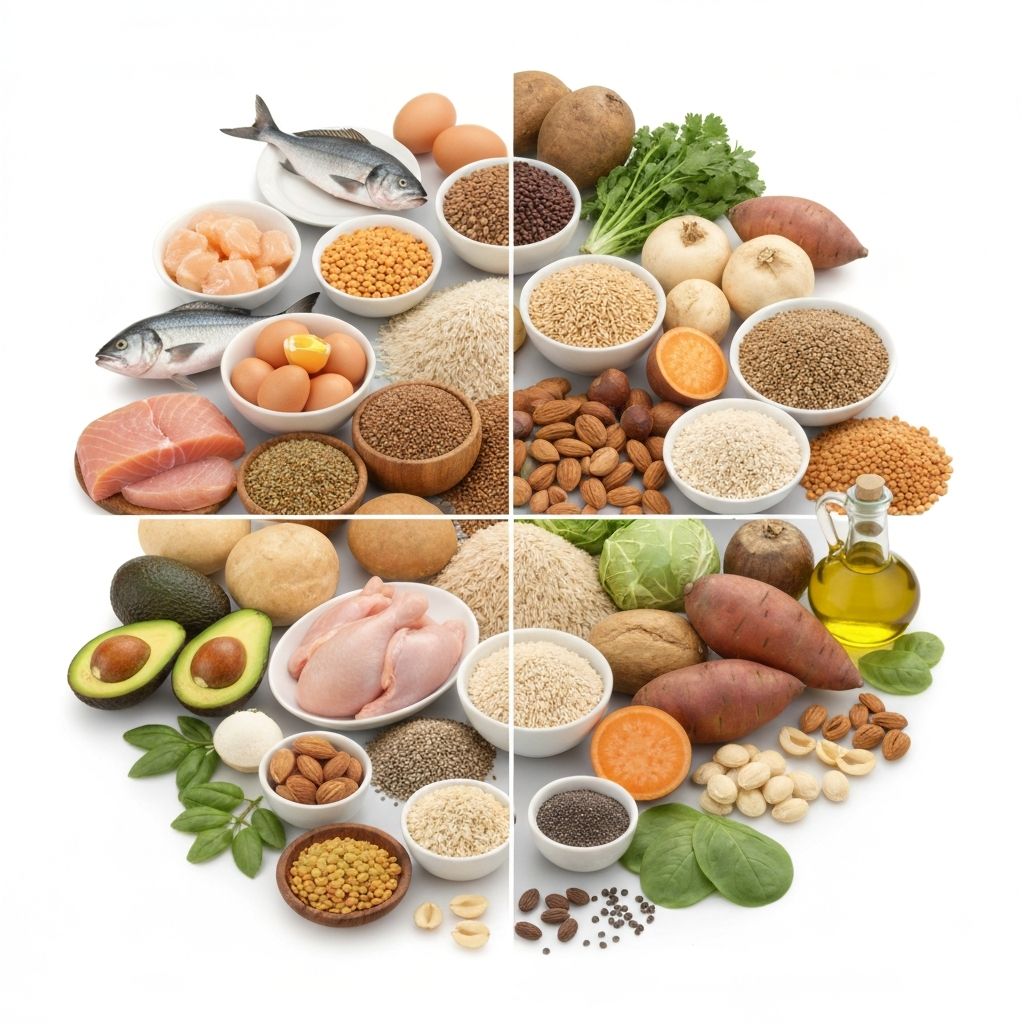
Macronutrients and Tissue Support
Protein and Amino Acids
Proteins are composed of amino acids, which are the building blocks for muscle tissue, bone matrix collagen, enzymes, hormones, and immune factors. Dietary protein provides the amino acids necessary for muscle tissue synthesis, maintenance, and repair.
Adequate protein intake is particularly important for muscle tissue maintenance, especially during periods of growth, recovery from activity, or advanced age when muscle loss naturally occurs. Protein sources include both animal products (meat, fish, eggs, dairy) and plant-based sources (legumes, nuts, seeds, grains), each with different amino acid profiles and complementary nutritional properties.
Carbohydrates
Carbohydrates are the primary energy source for cells and are particularly important for nervous system function and physical activity. When consumed, carbohydrates are broken down into glucose, which fuels cellular energy production.
During physical activity, carbohydrates provide the readily available energy that muscles need. Whole food sources of carbohydrates—vegetables, fruits, legumes, and whole grains—also provide fiber, vitamins, and minerals that support overall health. Carbohydrate intake and timing can influence energy availability for activity and recovery.
Fats (Lipids)
Dietary fats serve multiple critical functions including hormone production, vitamin absorption (fat-soluble vitamins A, D, E, K), cell membrane structure, and energy storage. Essential fatty acids cannot be synthesized by the body and must be obtained from diet.
Sources of dietary fat include nuts, seeds, oils, fish, eggs, and avocados. Different types of fats have different physiological effects; polyunsaturated and monounsaturated fats have different roles in metabolism and inflammatory processes compared to saturated fats.
Micronutrients and Tissue Function
Minerals
Calcium and Phosphorus: The primary mineral components of bone structure. Adequate intake is essential for bone density and strength.
Iron: Essential for oxygen transport in blood and oxygen utilization in tissues. Important for muscle function and energy production.
Zinc: Critical for immune function, protein synthesis, and tissue repair. Supports wound healing and tissue maintenance.
Magnesium: Important for muscle function, energy production, and bone structure. Involved in hundreds of enzymatic reactions.
Vitamins
Vitamin D: Supports calcium absorption and bone health. Also plays roles in immune function and cellular regulation.
Vitamin K: Essential for bone mineralization and blood clotting. Activates proteins involved in bone formation.
B Vitamins: Central to energy metabolism and protein synthesis. Support nervous system function and tissue maintenance.
Vitamin C: Supports collagen synthesis, which is essential for bone matrix and connective tissue. Important for immune function and tissue repair.
Practical Nutritional Principles
Variety and Diversity
Different foods provide different nutrient profiles. Consuming a variety of whole foods—vegetables, fruits, grains, legumes, proteins, and healthy fats—ensures a broad spectrum of nutrients supporting tissue health.
Whole Food Focus
Whole foods contain not just individual nutrients but also fiber, phytonutrients, and other compounds that work synergistically. Minimally processed foods retain more of these beneficial components.
Energy Balance
The balance between caloric intake and expenditure influences overall body composition. Adequate total energy intake supports tissue maintenance, while insufficient energy can lead to tissue loss.
Continue Exploring
Return to the blog to explore related articles on body composition science and the role of movement in structural health.
Back to Blog